
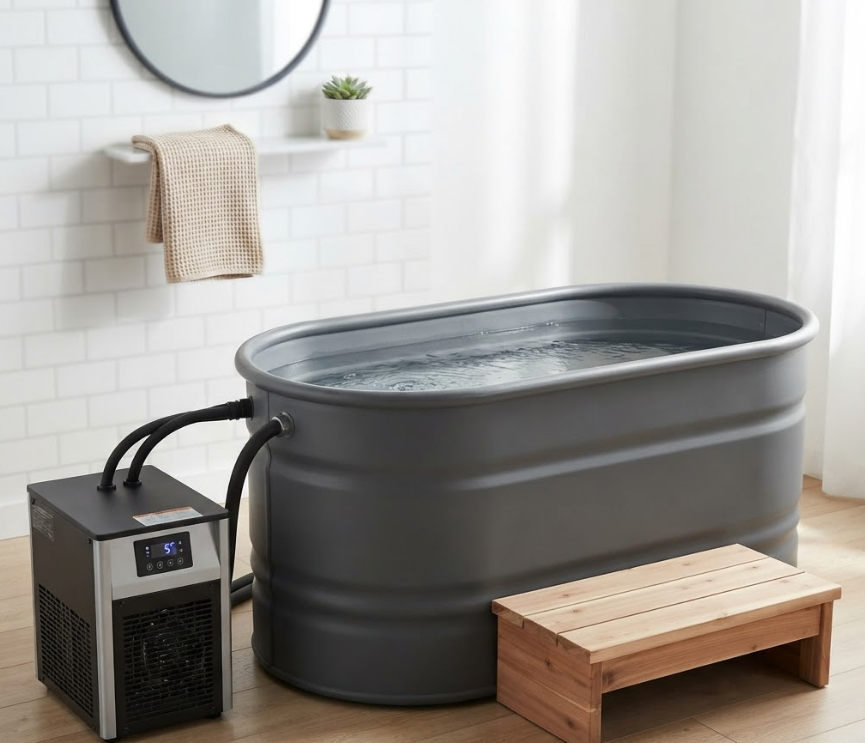
The rapid evolution of cold water immersion from an obscure, high-performance athletic recovery technique into a cornerstone of the modern mainstream wellness movement has been nothing short of transformative. Athletes, biohackers, and everyday health enthusiasts are increasingly drawn to the profound physiological benefits of regular cold exposure, which encompass everything from the systemic reduction of exercise-induced inflammation and the enhancement of circulatory function to the cultivation of deep, lasting mental resilience. While a commercial cold plunge unit offers a seamless, turnkey solution for those with the capital to invest, the substantial financial burden associated with premium, branded models often serves as a significant barrier for many dedicated individuals. Fortunately, constructing a high-performance DIY cold plunge tub is an entirely achievable endeavor that grants you the creative freedom to design a bespoke recovery space that perfectly aligns with your aesthetic preferences and sustainability values.
By placing a primary focus on thermodynamic efficiency, component durability, and the careful selection of repurposed materials, you can construct a system that not only functions effectively but also rivals the performance of high-end, store-bought alternatives. This comprehensive guide will navigate you through the essential strategies for designing, assembling, and maintaining a DIY cold plunge system that minimizes your overall environmental footprint while maximizing your therapeutic results.
Designing for Thermodynamic Efficiency and Environmental Sustainability
The fundamental success of any high-performance cold plunge system is not solely dependent on the aesthetics of the tub, but rather on the engineering of the thermal regulation system that keeps the water at your target temperature. When embarking on your DIY construction, your primary objective should be the creation of a highly insulated, hermetically stable environment that significantly reduces the mechanical workload of your chiller, thereby curbing unnecessary energy consumption. Many cold plunge tubs fall short of their performance potential because they lack the necessary thermal barriers, which forces the cooling unit to engage in near-constant operation and leads to premature hardware wear.
Selecting the Ideal Vessel
True sustainability begins with your initial selection of raw materials. Rather than opting for the convenience of a mass-produced, virgin-plastic tub that has been shipped globally, consider the merits of repurposing industrial-grade containers that have already served a purpose. A high-quality, pre-owned chest freezer remains a popular choice for experienced DIYers, provided the interior is thoroughly sealed with food-grade epoxy and coated to safely handle long-term water immersion without leaching. Alternatively, industrial stock tanks constructed from galvanized steel or heavy-duty, food-grade polyethylene barrels are exceptional, long-lasting options. If you ultimately decide on a plastic vessel, it is imperative to ensure that it is BPA-free and possesses the structural integrity to withstand years of significant temperature fluctuations and hydraulic pressure.
The Role of Thermal Insulation
Energy efficiency is unequivocally the most critical factor in ensuring your setup remains environmentally and economically sustainable over the long term. If your tub vessel is poorly insulated, the cold water will lose its thermal mass to the ambient air, forcing your chiller to run almost continuously, which leads to excessive electricity consumption. To combat this, you should apply high-quality, closed-cell spray foam or high-density rigid foam board to the entire exterior of your vessel. These advanced materials act as a formidable barrier against thermal transfer, ensuring that the water remains at your desired temperature with minimal intervention from the cooling unit. By effectively trapping the cold within your system, you significantly lower the carbon footprint associated with your daily recovery ritual.
Mastering the Cooling Infrastructure and Sanitation
To achieve the genuine therapeutic benefits associated with professional-grade, high-performance units, it is essential to integrate a reliable, high-flow circulation and cooling system into your build. A robust DIY setup typically requires the synchronized installation of a reliable water pump, a dedicated filtration assembly, and an external water chiller.
The Superiority of the External Chiller
While many DIY enthusiasts begin their journey using manual bags of ice, this approach is neither environmentally sustainable nor scientifically consistent. Manually transporting bags of ice is not only labor-intensive and inconvenient, but it also generates a consistent stream of single-use plastic waste from the packaging. Integrating a high-quality external water chiller allows you to maintain precise, digital control over your water temperature, which enables you to set the water at a specific, consistent level every single day. This degree of consistency is absolutely crucial for both habit formation and the long-term physiological adaptation of your cardiovascular and endocrine systems.
Filtration and Sanitation Standards
A truly sustainable system must also prioritize impeccable hygiene. Rather than falling into the trap of changing the water every few days, which wastes hundreds of gallons of treated water per month, you should implement a dedicated pump and filtration system. A high-efficiency cartridge filter or a multi-stage sand filter, when paired with an integrated ultraviolet (UV) light sanitizer, will keep the water crystal clear and free of biological contaminants. UV sterilization is a particularly environmentally friendly alternative to heavy chemical dosing, as it utilizes concentrated light energy to neutralize bacteria and pathogens without introducing harsh, synthetic chlorine or bromine compounds into the environment when you eventually need to drain the tub.
According to Wikipedia, the practice of cold water immersion entails the intentional submersion of the human body in water temperatures that are typically maintained well below 15 degrees Celsius. Gaining a deeper understanding of the complex, immediate physiological responses triggered by these low temperatures will allow you to better calibrate your mechanical system for both personal safety and maximum therapeutic efficacy.
Maintenance Protocols for Longevity and Performance
A high-performance DIY build should be viewed as a long-term investment in your personal health and physical longevity. To ensure that your setup remains sustainable throughout its lifecycle, rigorous and scheduled maintenance is an absolute requirement. Neglecting the health of your system often leads to mechanical failure, which results in the production of unnecessary waste and the stressful requirement to source and replace specialized parts.
Routine Operational Inspections
You should perform a comprehensive weekly inspection of all your plumbing connections to prevent even minor leaks from developing. Additionally, inspect your filter cartridge on a frequent basis; a saturated or clogged filter forces your circulation pump to work against excessive resistance, consuming significantly more electricity and rapidly reducing the expected lifespan of the motor. By proactively managing your equipment and keeping your components clean, you extend the total functional life of your hardware, which is a foundational principle of sustainable and responsible consumerism.
Professional Benchmarking
Keep a close eye on industry standards and emerging trends to ensure your DIY unit is evolving with the best practices of the field. Recent editorial coverage by Forbes highlights how professional-grade wellness equipment is rapidly evolving to incorporate smarter, more intuitive, and significantly more energy-efficient technologies. Even as a DIY practitioner, you can easily adopt these professional-grade insights by automating your chiller cycles to run primarily during off-peak energy hours, which further optimizes your electrical consumption and reduces the aggregate strain placed on your local power grid.
Maximizing the Therapeutic Recovery Experience
The physical construction of your tub is only the initial phase of your journey. To ensure that your significant investment of time and resources continues to provide lasting value, it is highly beneficial to stay updated on the latest peer-reviewed research regarding the impacts of cold exposure on the human body. According to recent reports aggregated on Google News, global researchers continue to explore the intricate nuances of how consistent cold therapy impacts metabolic health, brown adipose tissue activation, and total recovery times. By remaining informed about these scientific developments, you can refine your personal protocols—specifically the duration, frequency, and timing of your sessions—to perfectly align with your evolving wellness objectives, thereby ensuring that your DIY project remains a relevant and highly effective cornerstone of your daily routine.
When you take the initiative to build your own system, you gain an intimate, deep-seated understanding of its mechanical and chemical requirements. This specialized knowledge allows you to troubleshoot potential issues with speed and precision, easily upgrade individual components as new technology becomes available, and maintain an exceptionally high standard of performance without ever needing to rely on an external technician.
Conclusion
Constructing a high-performance DIY cold plunge tub is an incredibly rewarding project that expertly blends the fields of mechanical engineering, human physiology, and environmental sustainability. By carefully selecting durable, long-lasting vessels, prioritizing the use of high-quality thermal insulation, and utilizing efficient filtration systems, you can create a professional-grade recovery space in the comfort of your own home. This approach does more than simply save you significant capital compared to the exorbitant prices of a commercial cold plunge; it also allows you to minimize your environmental impact through the implementation of smarter energy management and the drastic reduction of household waste.
Your personal journey into the world of cold therapy should be as efficient, clean, and invigorating as the process itself. With a well-engineered and well-maintained system, you possess all the tools necessary to support your physical recovery and cognitive clarity for many years to come.
